
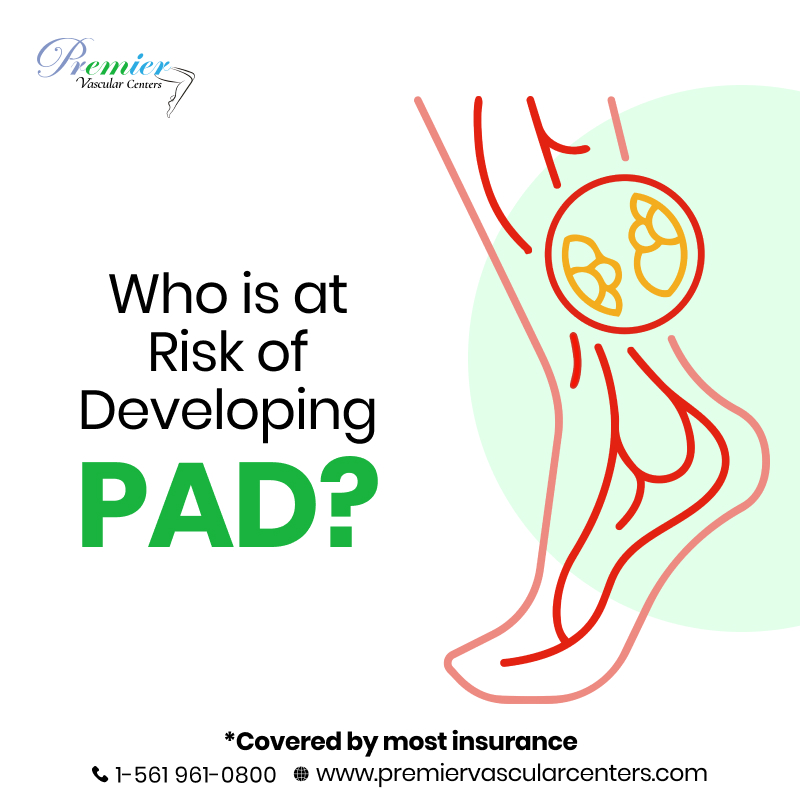
Peripheral Arterial Disease is widespread. It is also grossly misunderstood. Many patients have been living with the symptoms of PAD for years before diagnosis. PAD arises when the arteries become narrow because of the buildup of plaque. Less blood reaches the legs and feet as a consequence of PAD. Painful weakness and the danger of severe complications are the natural consequences of PAD. This blog will explain how PAD Vascular Treatment Boca Raton helps these patients.
Who Can Develop Peripheral Arterial Disease & What Helps?
Not everyone develops PAD. There are some reasons a person develops it, and therefore, if we know who is at risk, we can ensure plans for prevention.
The Primary Risk Factors for Peripheral Arterial Disease
Age is important. The risk of PAD rises sharply after fifty. Smoking is the number one risk factor and accelerates damage to the arteries. Diabetes plays a large role as well. High blood sugar damages the blood vessels over time. Many PAD patients are diabetic and do not show any obvious symptoms.
High blood pressure and high cholesterol add risks because they put more strain on the artery walls and help create plaques. Family history matters since genes play a role in how early and how much PAD develops. A sedentary lifestyle makes every risk factor listed above worse.
Medical Conditions That Increase PAD Risk
Individuals suffering from heart conditions are at a higher risk of PAD. Atherosclerosis is very rarely confined to just one area of the body. If coronary arteries are obstructed, the arteries of the legs are likely to be affected in a similar manner. The same is true for kidney disease, which also increases the risk of developing atherosclerosis. Impaired kidney function affects blood circulation and leg arteries’ health.
Obesity raises the risk even further. Being overweight leads to more inflammation and exacerbation of the metabolic disorders that promote narrowing of the arteries. The situation is made worse by the fact that the patients with such a condition often get the wrong diagnosis at first because their symptoms are similar to those of other diseases.
Early Symptoms Many People Ignore
The symptoms of PAD are subtle at first. It is common to have leg cramps while walking. The pain usually resolves with rest. This pattern leads many people to dismiss it. Hesitation. Wounds heal slowly. Numbness or weakness in legs. These are warning signs. In advanced cases, pain occurs at rest. The color of the skin changes. Ulcers develop. At that stage, organ-threatening complications become a real concern. Early detection changes outcomes dramatically.
How Peripheral Arterial Disease Treatment Helps
Restoring blood flow and halting progression are the main goals of PAD vascular treatment in Boca Raton. Changes in lifestyle are the cornerstone. Just quitting smoking greatly improves circulation. Blood pressure, clot risk, and cholesterol can all be controlled with medication. These treatments lessen cardiovascular events and stabilize plaque.
Vascular interventions are used when conservative measures are insufficient. Endovascular procedures that are minimally invasive can widen constricted arteries and enhance blood flow. These treatments promote wound healing, lessen discomfort, and increase walking distance. The majority of patients go back home the same day.
The Importance of Early Treatment
Early treatment of PAD preserves mobility. It prevents tissue damage. It reduces the risk of heart attack and stroke. Waiting increases the complexity: Advanced PAD requires more aggressive intervention and has higher complication rates. Early diagnosis allows for targeted treatment plans. It improves the quality of life without major disruption.
Why Specialized Vascular Care Matters
PAD is a complex condition, and diagnosing it is not just going to a primary care physician to get prescribed medication. Patients need to undergo comprehensive testing to assess the health of their arteries. Vascular imaging assesses the severity of a patient’s PAD. This allows the health care team to place the patient on the appropriate medical therapies for their individual risk factors. This tailored methodology will improve the outcomes of the treatment for each patient and help reduce the possibility of PAD returning.
Know more about the PAD treatment journey in our other blog here.
Conclusion
PAD impacts millions of people, yet it often goes undiagnosed. The risk of developing PAD tends to rise with age, certain lifestyle choices, and ongoing health issues. But here’s the silver lining: it is manageable. With early Peripheral Arterial Disease treatment, you can improve blood flow, ease symptoms, and safeguard your long-term health. Visit vein clinics like Premier Vascular Centers to get your legs tested. Being aware of the risks and taking action early can truly make the difference between feeling limited and enjoying full mobility.